ACSR wire

Scrap Wiki

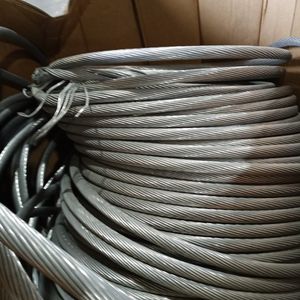
Aluminum Conductor Steel Reinforced (ACSR) is an aluminum wire with a steel core. It has higher strength than pure aluminum wire and is typically used in high-voltage and extra-high-voltage power transmission lines, as well as in long-distance power transmission scenarios. Due to its lightweight and high tensile strength, it is particularly suitable for overhead power transmission lines. The steel core of ACSR is primarily used to increase the cable's tensile strength, while the outer aluminum wire is responsible for electrical conductivity. Common applications include:
The steel content in ACSR cables can vary. In most cases, the steel core makes up around 40% to 50% of the total cross-sectional area, with the exact ratio varying by specification. More steel means higher tensile strength but may slightly reduce conductivity.
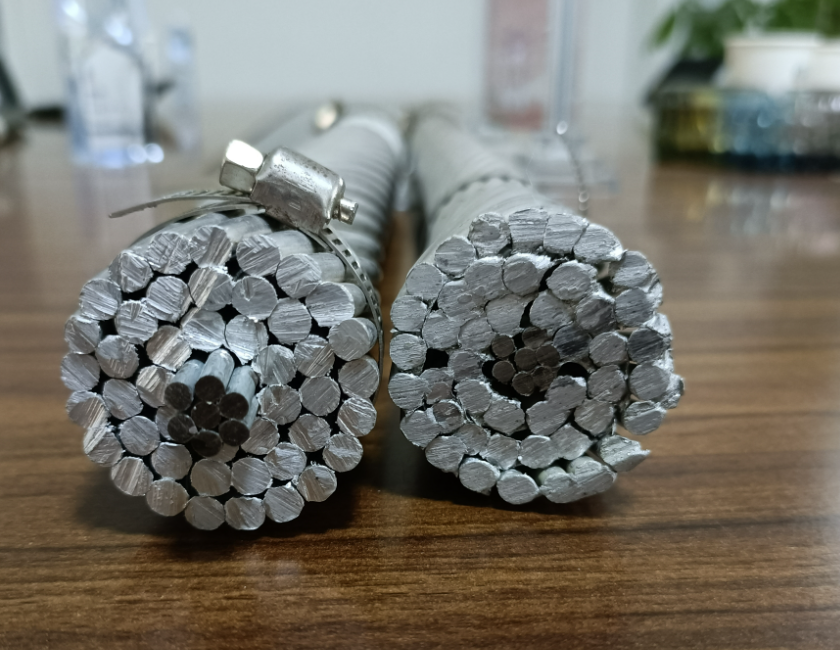
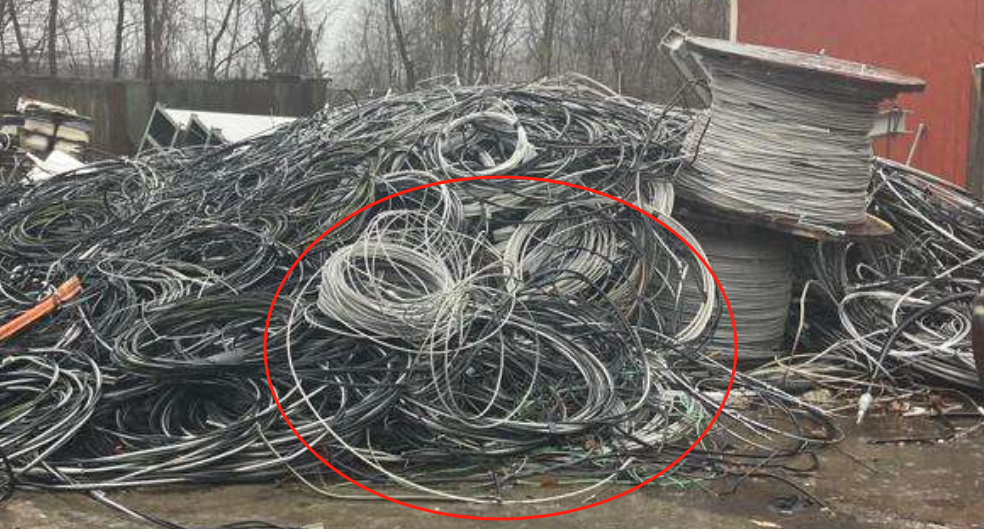
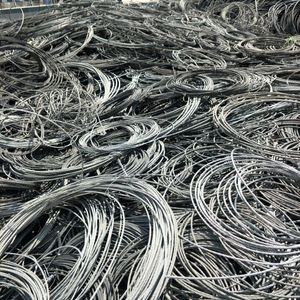
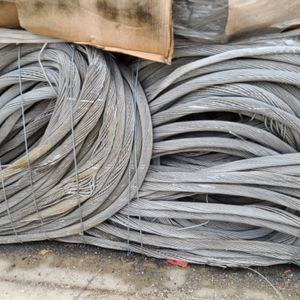
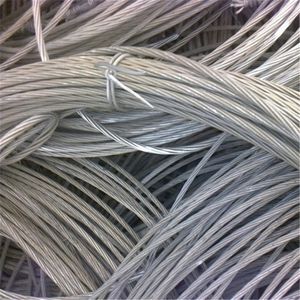
Common ACSR cable

The value of ACSR is lower compared to pure aluminum wire, and clear identification is necessary during transactions.
Common Classification

Common Sources

The primary source of ACSR cables is power transmission lines, including:
High-voltage transmission lines: Widely used in overhead lines, as they effectively reduce the weight of cables while ensuring strength and stability.
Extra-high-voltage transmission: Given the need for larger transmission capacity and longer distances, ACSR cables are often chosen for extra-high-voltage transmission lines.
Special terrains, such as crossing rivers: In areas with long spans or complex terrain, ACSR cables are widely adopted due to their high tensile strength and lightweight properties.

Value Points

The value of ACSR cables depends on two aspects:
1. Aluminum Content
The higher the percentage of steel core, the lower the aluminum content and value.
2. Purity of Aluminum
The higher the purity of aluminum, the higher the value. Any factors that may affect the aluminum content, such as alloys, impurities, adhesives, or contamination, can influence its value.

Processing Methods

ACSR cables require the removal of the steel core, separating the steel and aluminum parts for separate sale.

Detection Methods

Spectral analysis or elemental reports are commonly used to test aluminum wires. Visual inspection for insulation layers and the presence of a steel core is also conducted.

Matching Direction

ACSR cables are suitable for processing companies with equipment to remove the steel core due to the need for this specific processing.

Special Attention

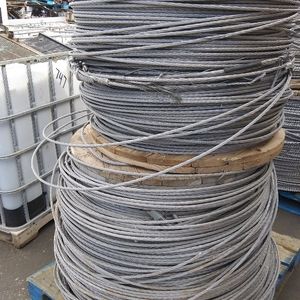
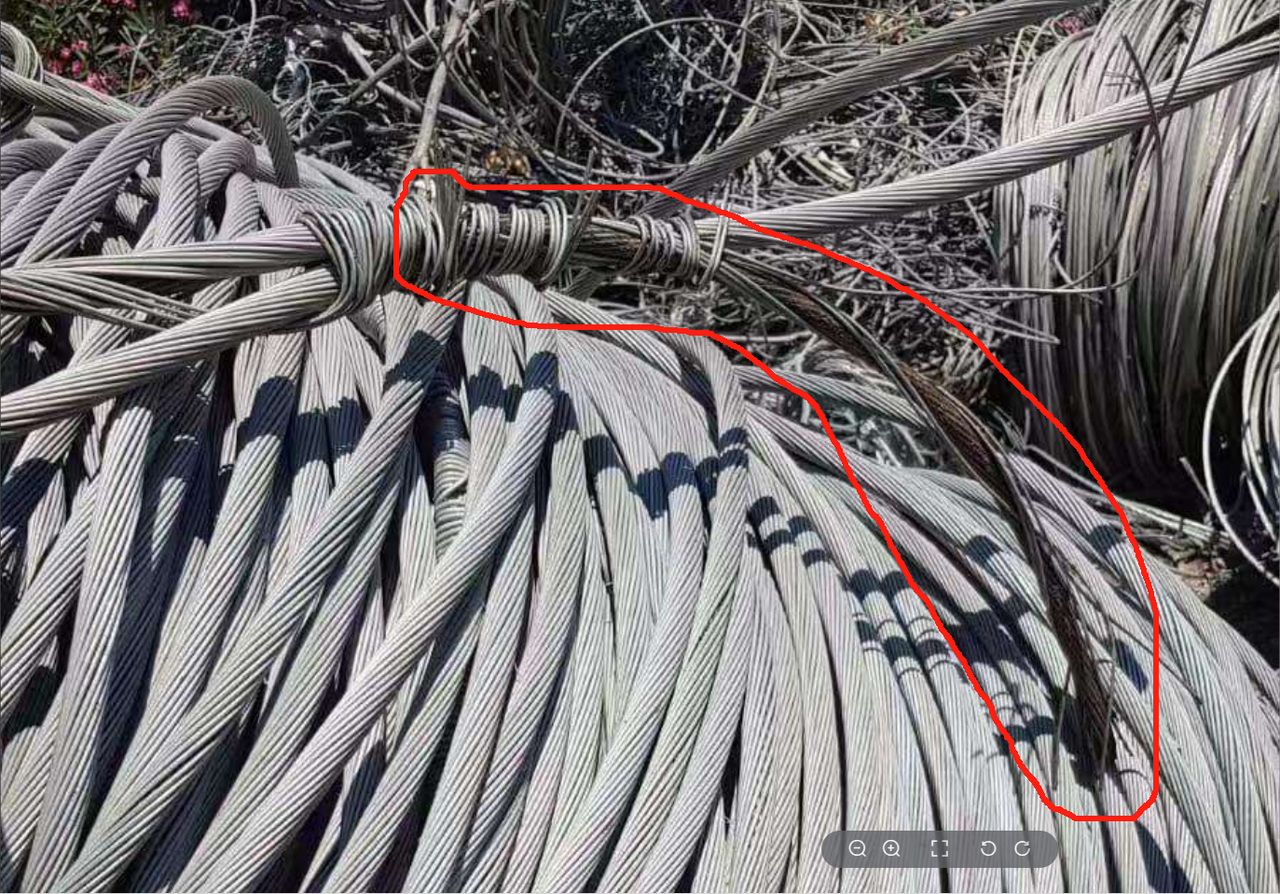
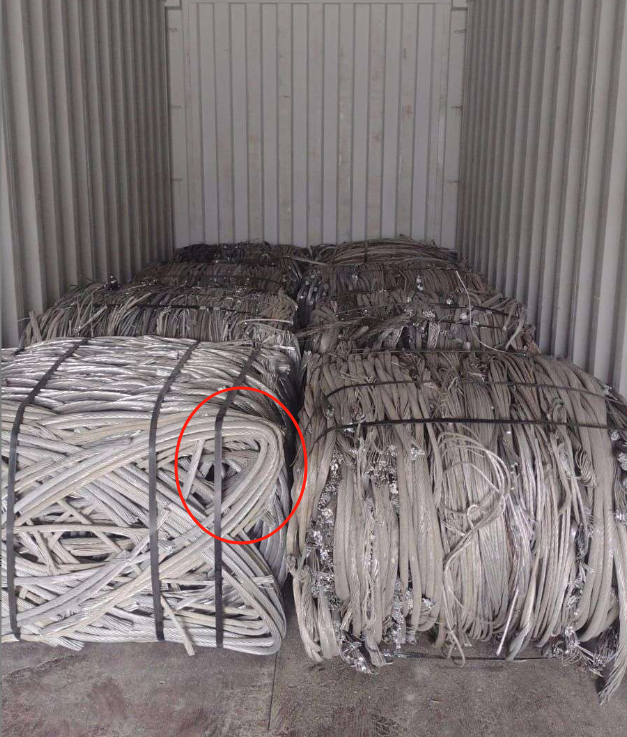
ACSR cables pose the greatest potential risk to pure aluminum wire transactions and should be carefully examined. Firstly, suppliers must guarantee that pure aluminum wire does not contain ACSR cables. Secondly, carefully observe the images. It's generally difficult to distinguish ACSR cables from pure aluminum wire in images, but there are a few points to assist in judgment: 1. Obvious rust marks. 2. Apart from tightly packed bundles, if aluminum wire can unnaturally bend into sharp angles, it suggests the presence of a large aluminum core; if it naturally displays arcs and obtuse angles, or is loosely coiled, the suspicion of ACSR cannot be ruled out. 3. Carefully inspect the ends for any unusual materials.

Significant yellow rust, suggesting steel or iron core
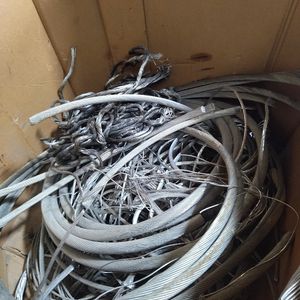
Without apparent packaging, the presence of such sharp angles indicates a lower possibility of ACSR cables
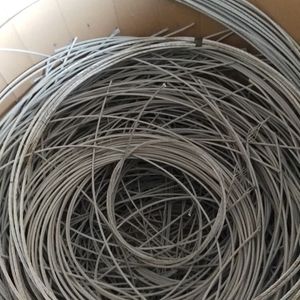
Loosely coiled aluminum wire, indicating suspicion of ACSR cables

Gallery

ACSR wire
ACSR wire
ACSR wire
ACSR wire
ACSR wire
ACSR wire
ACSR wire
Back to Parent Category