Scrap Wiki

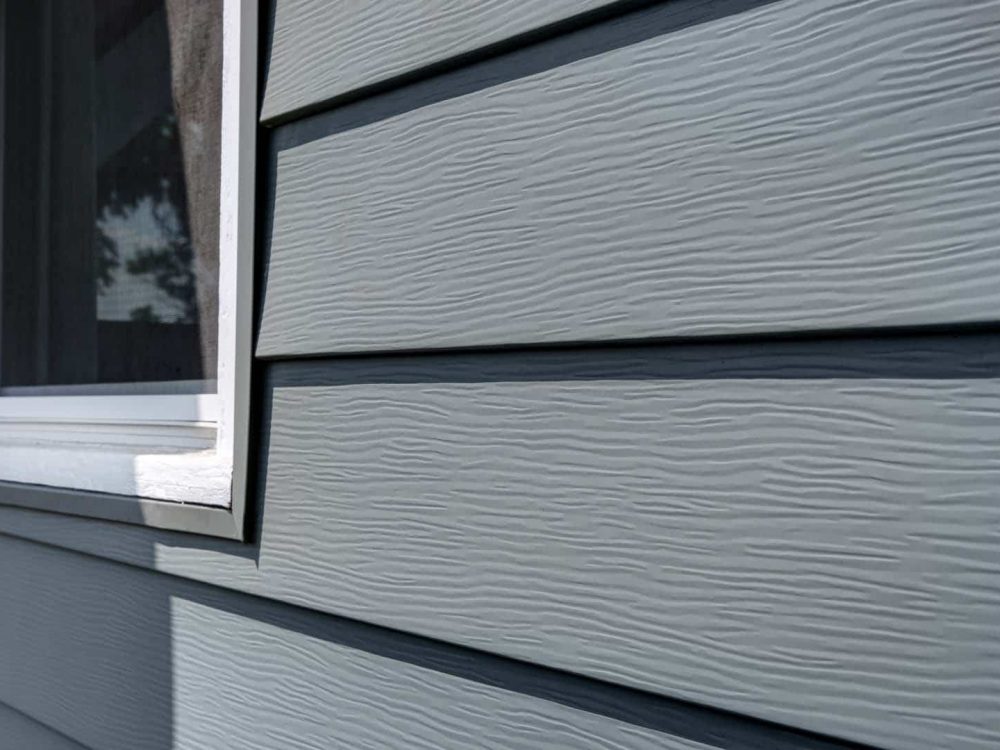
Aluminum Painted Siding is a building exterior material primarily made of aluminum alloy sheets and treated with a coating. It is commonly used for the exterior decoration or protection of residential, commercial, and industrial buildings, offering excellent weather resistance and an attractive appearance. Compared to other building exterior materials such as wood, plastic, or wood-textured panels, aluminum-coated siding has superior corrosion resistance, a longer lifespan, and lower maintenance requirements.

Compared to traditional exterior materials, aluminum-coated siding offers advantages such as corrosion resistance, durability, aesthetics, and low maintenance needs, making it a widely used and recyclable eco-friendly building material.

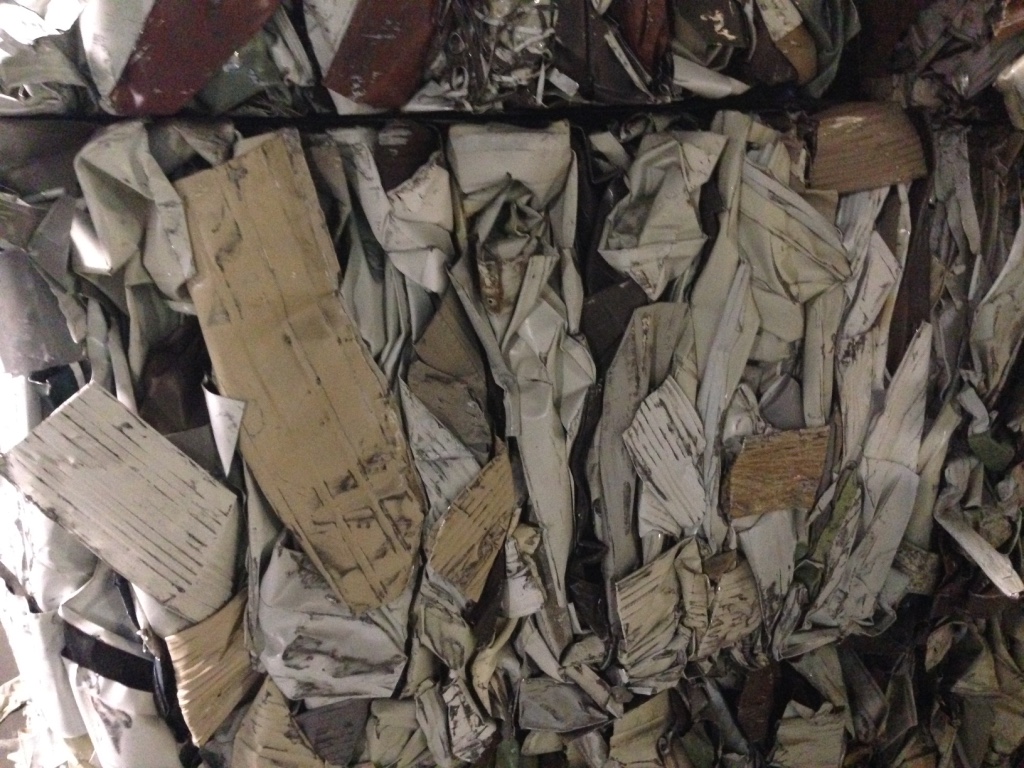
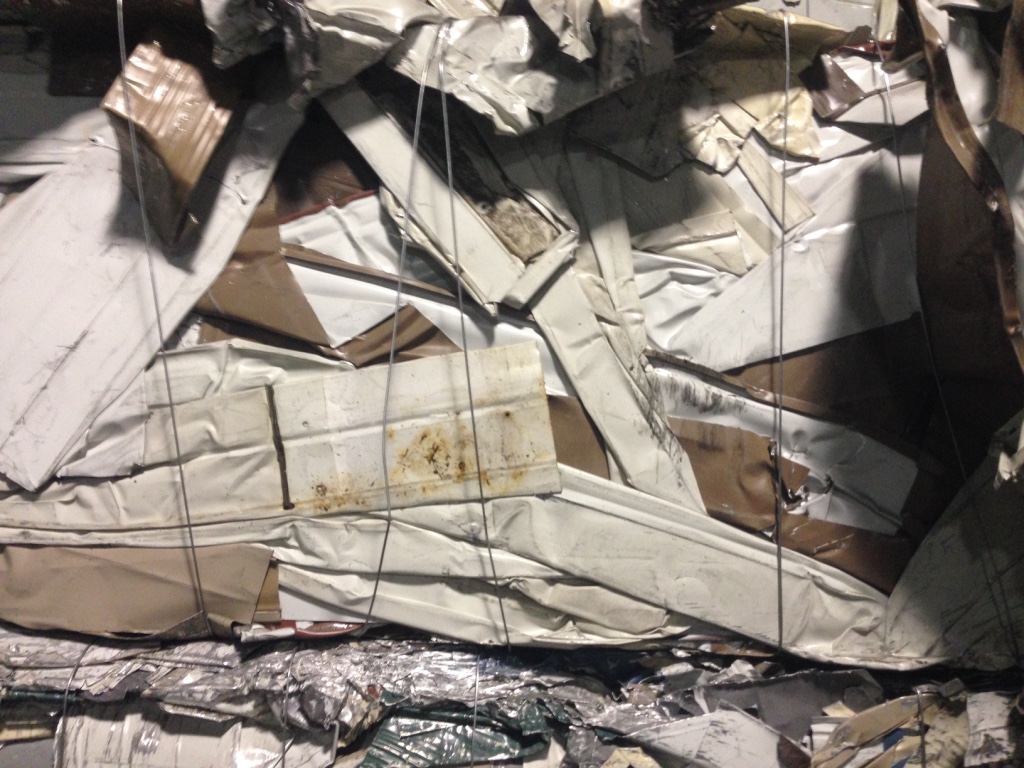
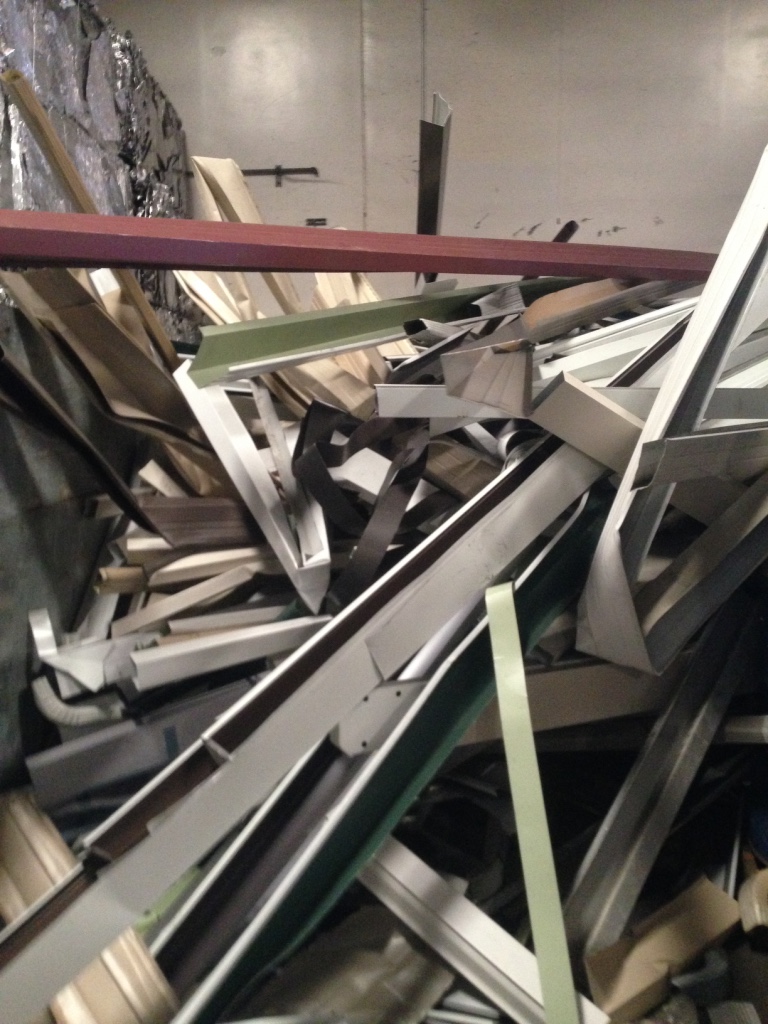
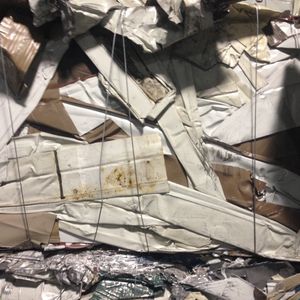
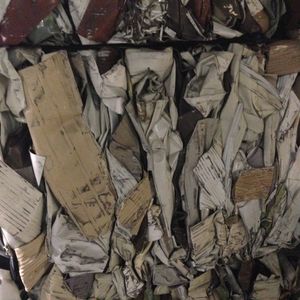
Aluminum Painted Siding


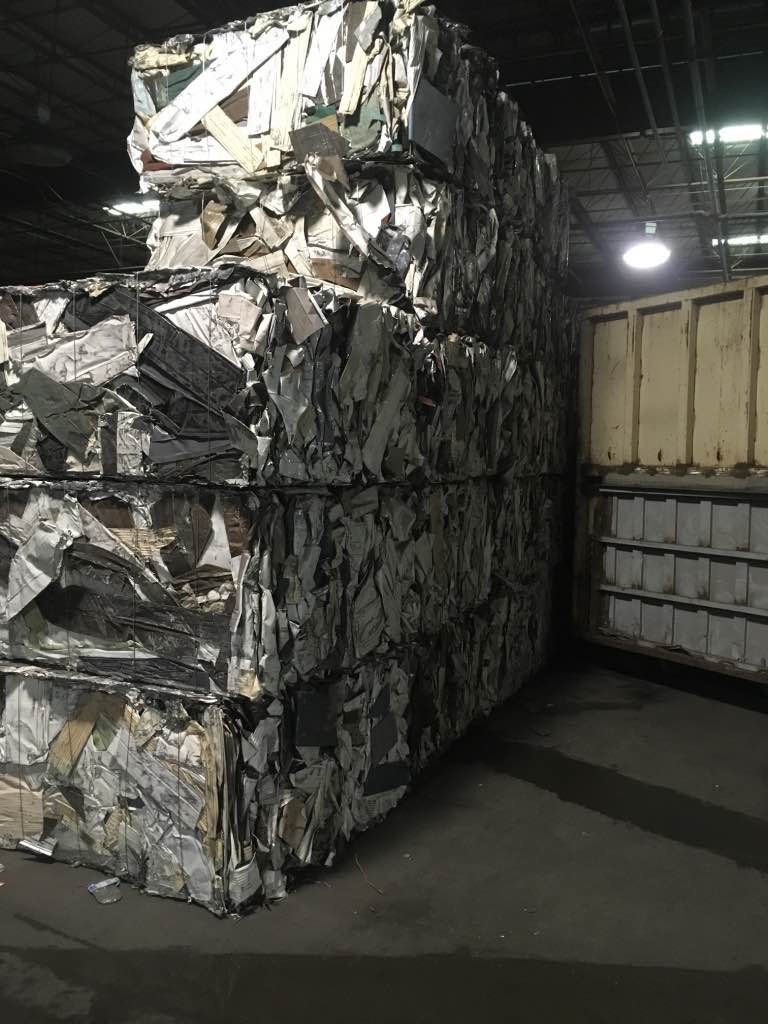
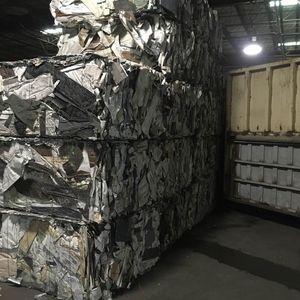
Package Aluminum Painted Siding

Common Classification

Aluminum painted siding, as a building exterior material, generates the following types of waste during its usage:

1,Demolition Waste

Waste from the demolition or renovation of buildings: This waste typically comes from building renovations or demolitions, especially during the reconstruction of old buildings or commercial/industrial facilities. The aluminum painted siding becomes waste due to damage or replacement.

Old aluminum siding: This includes aluminum painted siding that is damaged, faded, or contaminated. These waste materials may need replacement due to external damage (e.g., impacts, scratches, weathering, etc.).

2,Production Process Waste

Edge and trim waste: During the production of aluminum painted siding, waste is generated from cutting, forming, and processing, usually from leftover aluminum alloy materials. These waste materials are not used in the final product but still contain valuable aluminum that can be recycled.

Coating peel-off waste: Sometimes the coating on aluminum painted siding is damaged during production, transportation, or installation, and the peeled-off parts become waste. These waste materials are usually cleaned and processed.

3,Damaged Aluminum Painted Siding Waste

Surface-damaged aluminum painted siding: Due to collisions or scratches during transportation or construction, the surface of the aluminum painted siding may become damaged, leading to coating peeling or deformation of the aluminum panels. This waste needs to be replaced during the construction process.

4,Recycled and Discarded Aluminum Painted Siding

Aging building waste: Over time, aluminum painted siding may experience coating peeling or surface aging due to exposure to ultraviolet rays, rain, and weathering. After years of use, discarded aluminum painted siding from building renovations becomes waste.

Outdated design or material waste: Some buildings may use outdated or non-compliant aluminum painted siding according to the latest building standards. During renovations, discarded aluminum painted siding will become waste.

Common Sources

Aluminum painted siding is widely used in residential, commercial, and industrial buildings. A significant amount of this waste material can be recycled during construction, renovation, or demolition processes. Additionally, factories or renovation stores also generate large quantities of this waste.

Value Points

Aluminum painted siding is often made from 3003 grade aluminum alloy, making it easy to be categorized as a single-series aluminum alloy waste for recycling, which adds higher value. The waste from aluminum painted siding, particularly the aluminum alloy portion, can be processed through recycling. These aluminum alloy wastes are usually sent to metal recycling plants for melting and refining, and then remanufactured into new aluminum products. By recycling aluminum alloys, not only can resources be saved, but the environmental impact can also be reduced. The coating can also be removed through specific processes, and the remaining aluminum alloy can be further processed.

Processing Methods

The common recycling process for aluminum painted siding waste:

  1. Sorting and Cleaning: The waste is divided into aluminum alloy and coating parts. The aluminum alloy part is sent directly for recycling.
  2. Coating Removal: If necessary, the surface coating can be removed using chemical or mechanical methods.
  3. Aluminum Alloy Recycling: The aluminum alloy waste is sent to an aluminum smelting plant for melting to extract aluminum metal.
  4. Reutilization: The processed aluminum can be used to manufacture new aluminum alloy products or recoated to be used as new coated aluminum siding.

Detection Methods

The detection of aluminum alloy plate scrap typically involves metal recovery rate testing, which can be done through sampling and crucible melting. The metal recovery rate is calculated by dividing the actual weight of aluminum recovered by the total weight of the sample. If the contamination rate needs to be detected, manual disassembly and sorting can be performed.
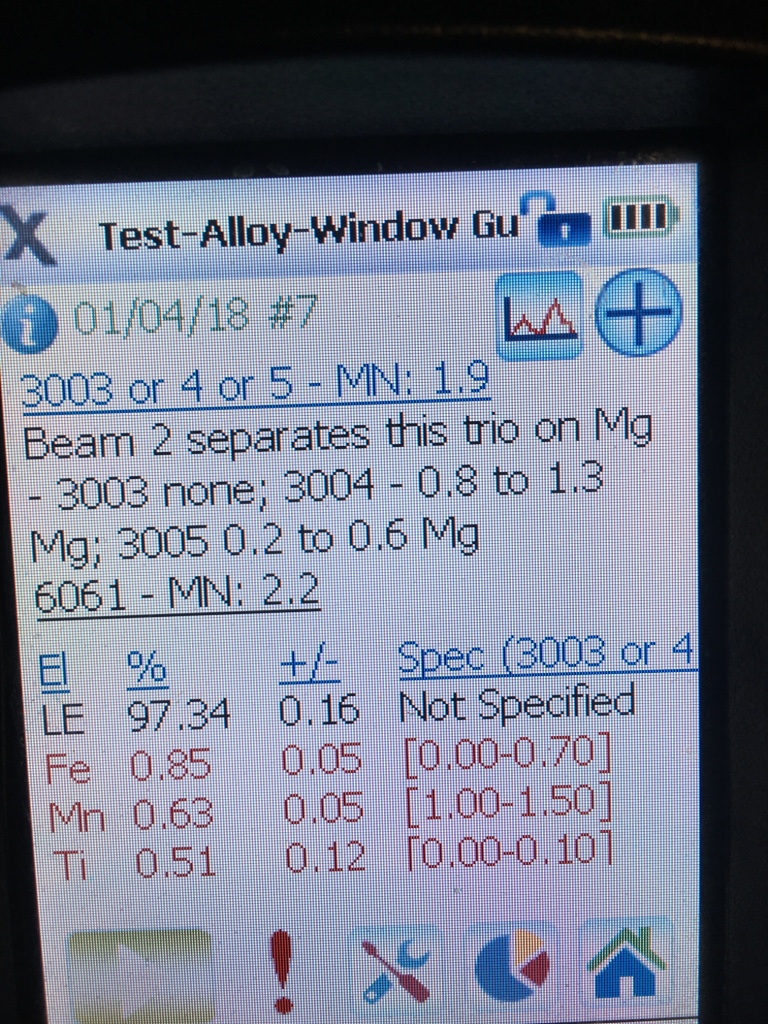
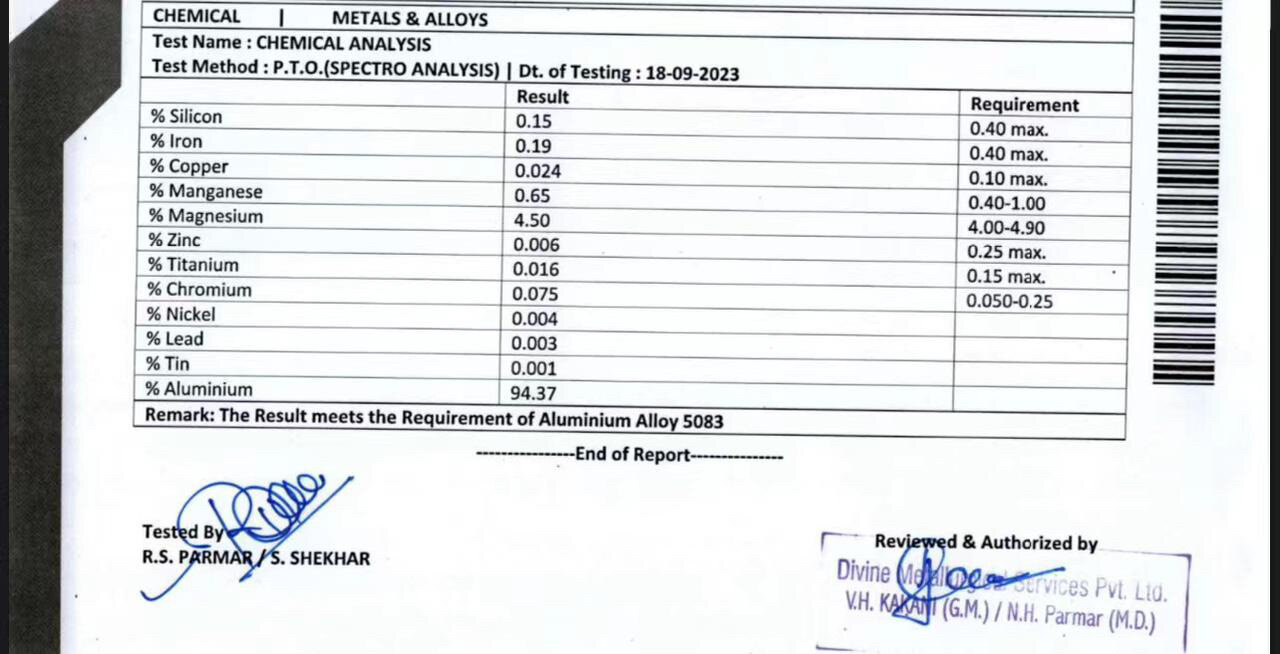
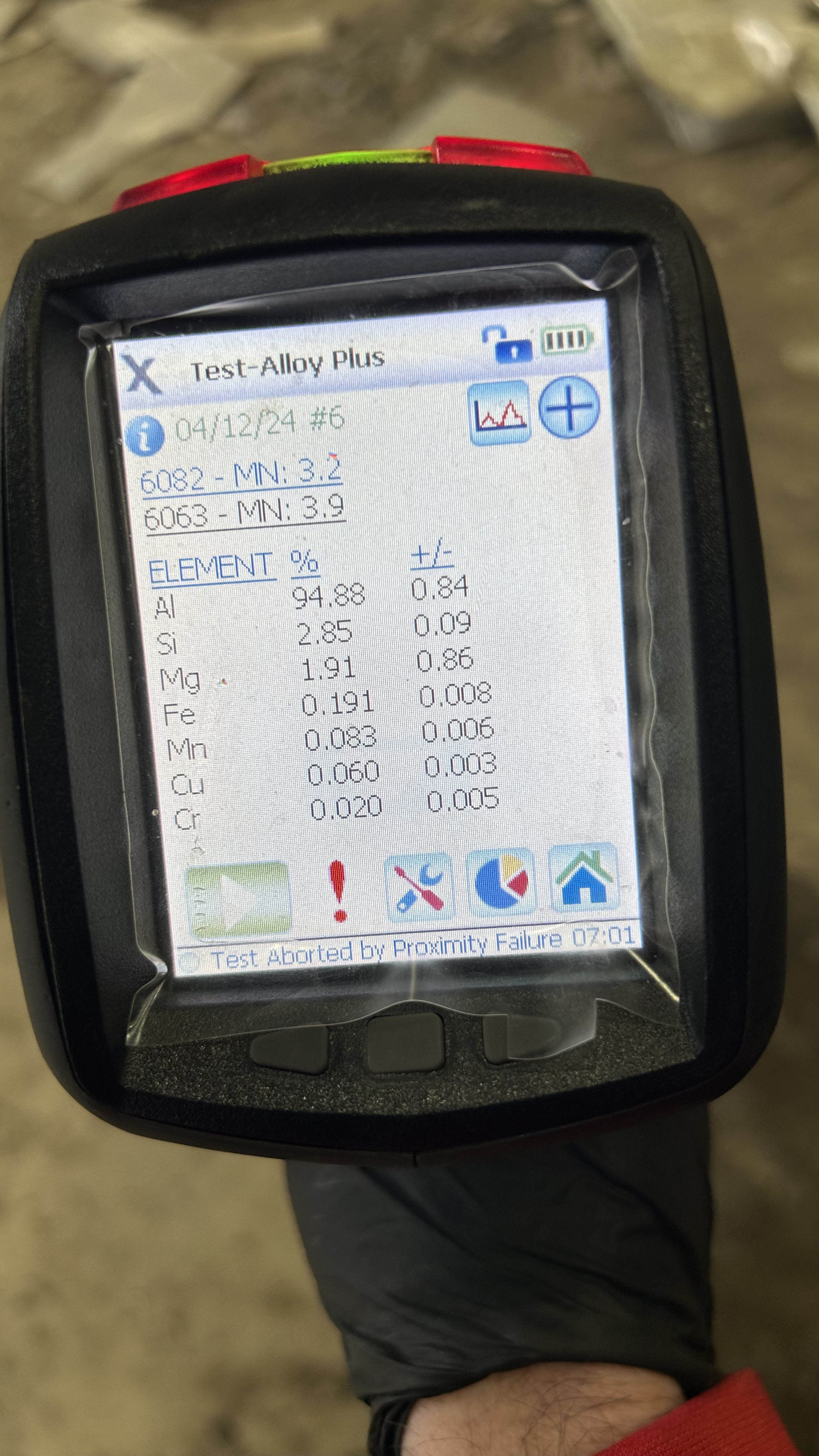
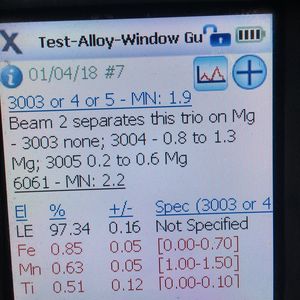
Elemental composition and alloy number detection can also be performed using handheld spectrometers. Providing detailed detection reports or handheld spectrometer readings can be more convincing during transactions.

Test report
Test report
Readings from a handheld spectrometer

Matching Direction

Aluminum alloy plate scrap can be matched with various industries, including trade companies, processing companies, and manufacturing companies, depending on their contamination level and alloy number.

Special Attention

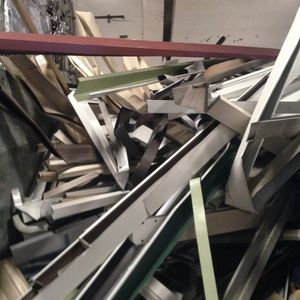
The impurity content of aluminum painted siding waste needs to be carefully assessed through physical inspection or images. Generally, the impurity rate does not exceed 5%. However, some waste materials may have a thick layer of adhesive, paint, or even water and heat-insulating materials on the outer layer, which can significantly increase the impurity rate. Moreover, these attachments can affect the processing and use of the waste, as they can produce large amounts of smoke and toxic gases, requiring removal before they can be used.

Gallery

Tale
Tale
Tale
Tale
Tale
Tale
Back to Parent Category