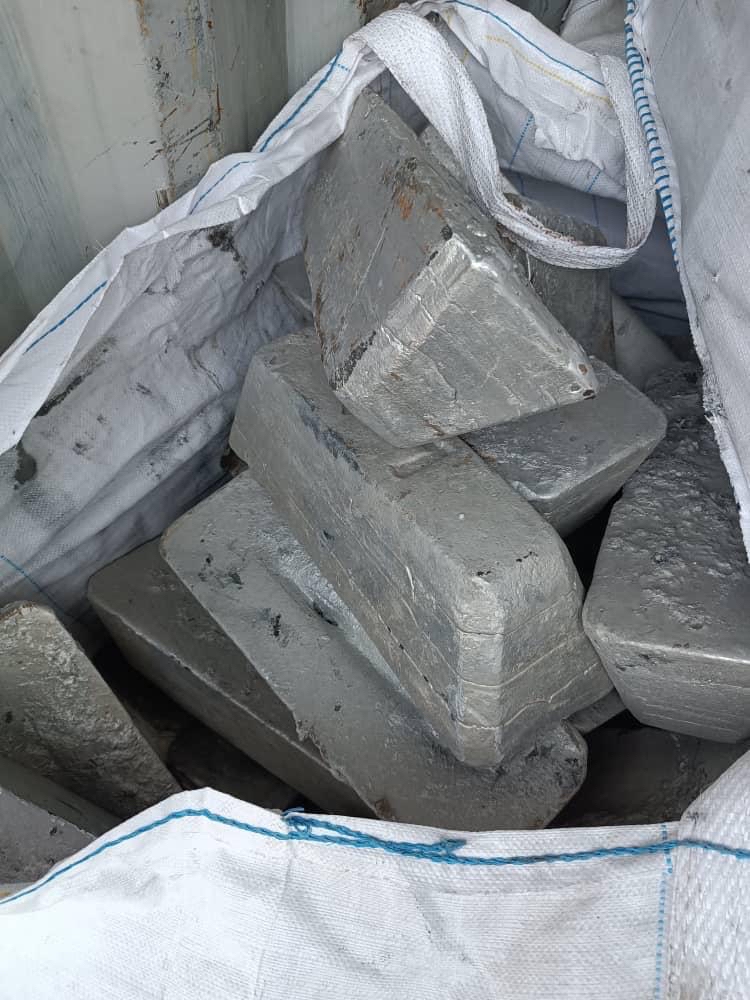
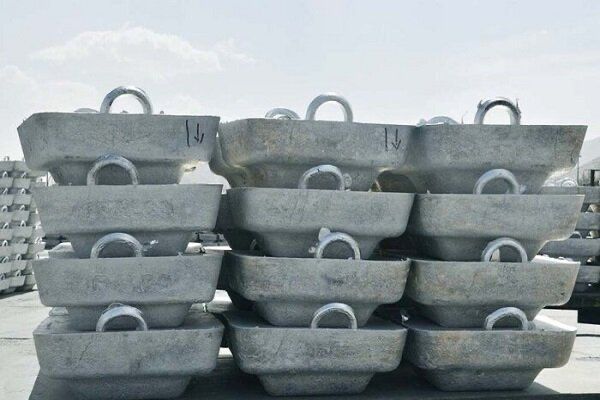
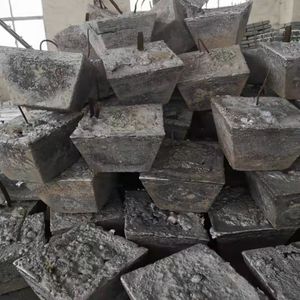
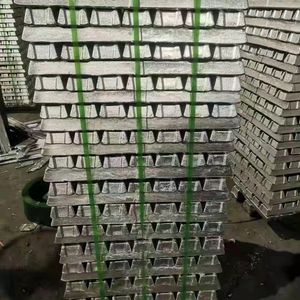
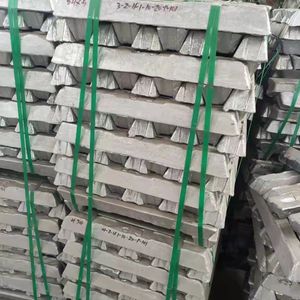
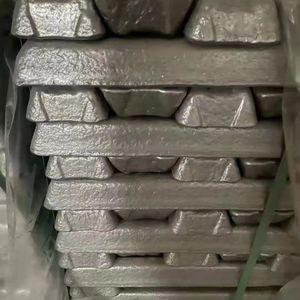
Remelted aluminum ingots can be classified into various types based on their composition and application. The main categories include standard ingots and non-standard ingots.
Standard ingots include the following common types:
* ADC12 aluminum ingot:
+ Features: Good casting performance and mechanical properties, widely used in automotive parts, household appliances, and various castings.
+ Applications: Suitable for manufacturing engine blocks, transmission cases, motorcycle parts, and more.
* A380 aluminum ingot:
+ Features: Good casting performance, corrosion resistance, and mechanical properties, widely used in the automotive and construction industries.
+ Applications: Used for manufacturing automotive engine parts, transmission cases, electronic equipment casings, and more.
* A356 aluminum ingot:
+ Features: Excellent casting performance and mechanical properties, suitable for producing high-strength and high-toughness aluminum castings.
+ Applications: Commonly used in the automotive, aerospace, and industrial equipment sectors for high-performance components.
* 6061 aluminum ingot:
+ Features: Good mechanical properties, machinability, and corrosion resistance, suitable for a wide range of industrial applications.
+ Applications: Used for manufacturing structural components, building materials, and shipbuilding parts, among others.
* 6063 aluminum ingot:
+ Features: Good extrusion performance and surface treatment properties, widely used in producing extrusions and architectural materials.
+ Applications: Commonly used in door and window frames, pipes, radiators, and other products.
Non-standard ingots typically only constrain the aluminum content, without specifying other elements. For example, 95 aluminum ingot refers to a non-standard ingot with 95% aluminum content.